

Happy Valley Tea Estate Darjeeling: A Beautiful Tea Garden Experience
- Home
- Happy Valley Tea Estate Darjeeling: A Beautiful Tea Garden Experience
Happy Valley Tea Estate Darjeeling: A Beautiful Tea Garden Experience
Happy Valley Tea Estate Darjeeling: Complete Travel Guide
If you are looking for a peaceful place to experience Darjeeling’s natural beauty and tea culture, Happy Valley Tea Estate Darjeeling is a wonderful addition to your itinerary. Spread across the green slopes near Darjeeling town, this historic tea garden is known for its lush plantations, mountain scenery, traditional tea-making process, and peaceful atmosphere.
Visiting Happy Valley Tea Estate offers more than beautiful views. You can walk among rows of tea bushes, learn how Darjeeling tea is produced, and discover the heritage behind one of the region’s famous tea estates.
Where Is Happy Valley Tea Estate?
Happy Valley Tea Estate is located close to Darjeeling town in West Bengal. It is approximately 3 kilometres from the main town area, making it one of the more accessible tea gardens for visitors staying in Darjeeling.
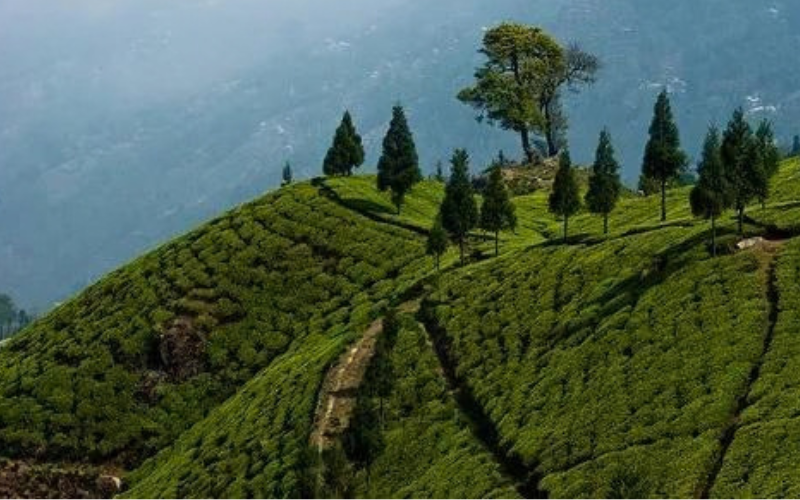
The estate is surrounded by rolling hills and tea-covered slopes. Depending on the weather and season, you may also experience the mist, cool mountain air, and beautiful views that give Darjeeling its distinctive charm.
Because the roads around the estate are narrow and winding, travelling by a local taxi can be a convenient option, particularly for families and visitors carrying luggage.
History of Happy Valley Tea Estate
Happy Valley Tea Estate has a long connection with the history of Darjeeling tea. The estate was originally established as Wilson Tea Estate by David Wilson in 1854, and tea cultivation began here by around 1860. In 1903, the property was taken over by Tarapada Banerjee. The nearby Windsor Tea Estate was later acquired and merged with it in 1929, creating the estate that became known as Happy Valley Tea Estate.
Happy Valley is regarded as the second-oldest tea estate in Darjeeling, after Steinthal Tea Estate.
The estate is also known for its old tea bushes, with some plants reported to be more than a century old. These old plants add to the historic character and heritage of the plantation.
Today, Happy Valley Tea Estate remains an interesting destination for travellers who want to learn more about the history, cultivation, and traditional production of Darjeeling tea.
What Makes Happy Valley Tea Estate Special?
What visits Happy Valley Tea Estate different from an ordinary sightseeing stop is the opportunity to experience Darjeeling’s tea culture in its natural setting.
As you walk through the plantation, you can see rows of tea bushes covering the hillside. The green landscape, cool climate, mountain surroundings, and peaceful atmosphere make it a pleasant place to slow down and enjoy a quieter side of Darjeeling.
For photography lovers, the combination of tea gardens, misty hills, winding paths, and traditional plantation scenery provides plenty of opportunities for memorable photographs.
The experience is particularly appealing if you enjoy nature, local heritage, and learning about how a famous regional product is made.
Explore the Tea-Making Process
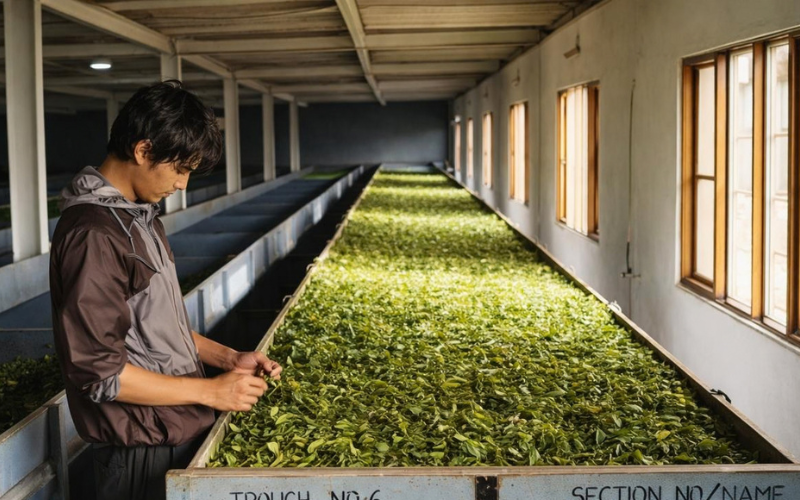
One of the most interesting parts of visiting Happy Valley Tea Estate is learning how freshly harvested tea leaves are transformed into finished tea.
Depending on the season and the estate’s visitor arrangements, a guided tour may introduce visitors to different stages of tea production, including:
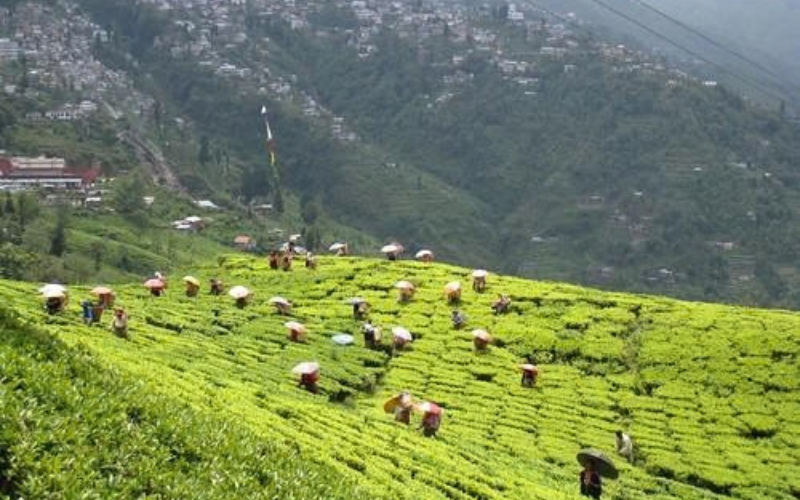
Plucking fresh tea leaves
Withering
Rolling
Oxidation
Drying
Sorting and grading
The exact activities available to visitors can vary depending on the season and the estate’s operating schedule. If learning about tea production is one of your main reasons for visiting, it is a good idea to check the current tour arrangements before travelling.
Seeing the tea-making process in the place where Darjeeling tea is grown can make the visit much more interesting than simply seeing a tea garden from the roadside.
Tea Tasting at Happy Valley Tea Estate
Tea tasting can be another enjoyable part of the experience when it is available as part of the visitor programme.
Darjeeling tea is appreciated for its distinctive aroma and flavour. Tasting tea close to where it is produced can help visitors understand the difference between tea varieties, seasons, growing conditions, and processing methods.
Rather than simply buying tea from a shop, you can learn more about how the character of Darjeeling tea develops from the tea plant to the finished product.
Tea-tasting availability may depend on the estate’s current visitor arrangements, so it is best to confirm beforehand if this is an important part of your visit.
Best Time to Visit Happy Valley Tea Estate
The best time to visit Happy Valley Tea Estate depends on what you want to experience. March to November is generally a good period for exploring Darjeeling’s tea gardens. During the main tea-growing and harvesting periods, visitors may have a better opportunity to see activities connected with tea cultivation and processing.
If you particularly want to see tea plucking, it is better to visit during an active harvesting period. The exact timing can vary depending on weather conditions and the seasonal tea cycle.
Factory operations may be limited or closed during parts of the winter when tea plucking stops. Therefore, visitors who are mainly interested in seeing tea production should check the current operating schedule before planning their visit.
For general sightseeing, spring, summer, and autumn can all offer attractive conditions, with green tea gardens and changing mountain weather adding to the experience.
Happy Valley Tea Estate Opening Hours
Visitor timings and factory-tour schedules can vary depending on the season and operating conditions.
Current tourism information lists visiting hours at around 8:00 AM to 4:30 PM, but timings and tour availability can change. It is advisable to confirm the latest information locally before visiting, particularly if you are planning your trip around a factory tour or tea-tasting experience.
How to Reach Happy Valley Tea Estate
Reaching Happy Valley Tea Estate from Darjeeling town is relatively easy because the plantation is located close to the town.
By Local Taxi
A local taxi is one of the most convenient options, particularly if you are travelling with family or carrying luggage. The hill roads can be narrow and winding, so a local driver familiar with the area can make the journey more comfortable.
By Walking
Depending on where you are staying and your fitness level, you can also walk towards the estate. However, Darjeeling has steep roads and uneven sections, so a short distance on the map can feel more demanding when walking uphill.
As Part of a Sightseeing Tour
Some Darjeeling sightseeing itineraries include tea gardens along with other popular attractions. This can be a convenient option if you want to explore several places in the town and surrounding area in a single day.
How Much Time Do You Need at Happy Valley Tea Estate?
Allow around 1 to 2 hours for a relaxed visit, depending on what you want to do.
If you simply want to walk through the tea garden and enjoy the scenery, you may need less time. If you take a factory tour, learn about tea production, enjoy tea tasting, and spend time taking photographs, you may want to stay longer.
It is worth avoiding a rushed visit because part of the attraction is simply enjoying the peaceful surroundings and mountain atmosphere.
Things to Do at Happy Valley Tea Estate
There are several simple but enjoyable things to do during your visit.
1. Walk Through the Tea Garden
Take a leisurely walk through the plantation and enjoy the sight of tea bushes covering the hillside.
2. Learn About Darjeeling Tea
A guided tour can help you understand how tea is cultivated, processed, and prepared before reaching the market.
3. Visit the Tea Factory
If the factory is open to visitors and tours are operating, you can learn about the different stages involved in tea production.
4. Enjoy Tea Tasting
When available, tea tasting gives you an opportunity to experience the flavour and aroma of locally produced Darjeeling tea.
5. Take Photographs
The tea-covered slopes, mountain landscape, mist, and traditional plantation setting make this a rewarding place for photography.
6. Enjoy the Peaceful Atmosphere
Sometimes the best thing to do is simply slow down, breathe in the mountain air, and enjoy the quiet surroundings.
Is Happy Valley Tea Estate Worth Visiting?
Yes, especially if you are interested in tea, nature, photography, and Darjeeling’s heritage.
You do not need to be a tea expert to enjoy the experience. The scenic plantation and peaceful surroundings make it worthwhile even for travellers who simply want to explore a different side of Darjeeling.
For first-time visitors, it can also be a good introduction to the landscape and tea-growing tradition that have made Darjeeling famous around the world.
Tips for Visiting Happy Valley Tea Estate
Keep these practical tips in mind before your visit:
Check the current opening hours before travelling.
Confirm whether factory tours are operating on the day of your visit.
Ask about tea-tasting availability if it is important to you.
Wear comfortable shoes because the plantation has slopes and uneven paths.
Carry a light jacket because the weather in Darjeeling can change quickly.
Take your camera or phone if you enjoy landscape photography.
Allow enough time to enjoy the surroundings rather than rushing through the garden.
Respect the tea plants and follow instructions from estate staff.
FAQ About Happy Valley Tea Estate Darjeeling
Is Happy Valley Tea Estate worth visiting?
Yes. Happy Valley Tea Estate is worth visiting if you enjoy tea, nature, photography, and Darjeeling’s heritage. Its proximity to town also makes it easy to include in a Darjeeling sightseeing itinerary.
How far is Happy Valley Tea Estate from Darjeeling town?
Happy Valley Tea Estate is approximately 3 kilometres from Darjeeling town. The actual travel time can vary depending on traffic and hill-road conditions.
What is the best time to visit Happy Valley Tea Estate?
March to November is generally a good period to visit. If you want to see tea-related activities such as plucking and processing, visiting during an active tea-growing and harvesting period can provide a more interesting experience.
Can tourists see how Darjeeling tea is made?
Factory tours may be available depending on the season and the estate’s visitor schedule. When operating, these tours can introduce visitors to stages such as withering, rolling, oxidation, drying, and grading.
How long should I spend at Happy Valley Tea Estate?
Around 1 to 2 hours is a reasonable amount of time for a relaxed visit. You may want to spend longer if you take a factory tour, have tea tasting, or enjoy photography.
Is Happy Valley Tea Estate suitable for families?
Yes. Families interested in nature and sightseeing can enjoy the tea garden. However, some paths and slopes may be uneven, so visitors should take care while walking around the plantation.
Final Thoughts
Happy Valley Tea Estate Darjeeling is more than just a beautiful tea garden. It brings together Darjeeling’s natural landscape, tea-growing tradition, and rich heritage.
From walking among the green tea bushes to learning about the tea-making process, the experience offers a quieter and more cultural side of Darjeeling. The mountain scenery and peaceful atmosphere make it especially appealing to nature lovers, photographers, and travellers interested in the story behind Darjeeling tea.
If you are planning a trip to Darjeeling, consider adding Happy Valley Tea Estate to your itinerary. A few hours here can give you a memorable introduction to the landscape, heritage, and tea-growing tradition behind one of India’s most famous teas.